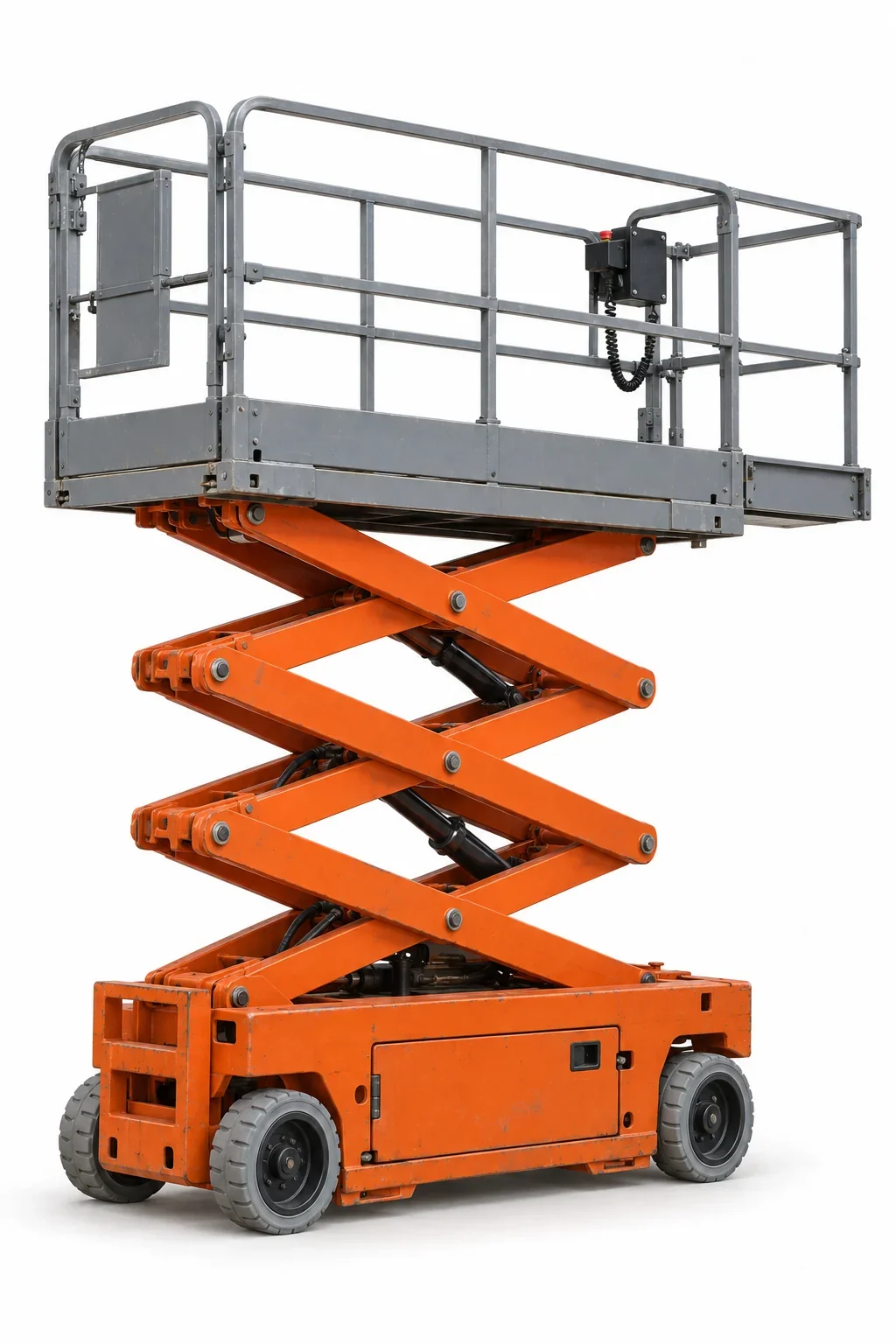
Fit the lift to indoor geometry
- Door and aisle clearance: confirm machine width and stowed height for access from loading area to the work zone.
- Floor loading: check slab ratings, mezzanines, and any trench covers. Electric slab units distribute weight differently than larger rough-terrain models.
- Overhead obstructions: sprinkler mains, ductwork, and cable trays often require precise platform height and deck extension rather than lateral outreach.
Why electric suits Fort Myers interiors
- Humid, coastal air favors equipment stored indoors when idle. Electric units integrate well with interior staging and reduce exposure to salt air.
- Healthcare and logistics interiors value low noise and zero on-site exhaust. Electric power supports off-hours maintenance without disturbing operations.
Sizing by task height and workspace
- Low to mid ceiling maintenance: compact units with tight turning radius help in corridors and between rack lines.
- High-bay lighting or MEP work: taller platforms may be needed, but aisle width and turning space still set the upper limit.
When to step out of the scissor category
If the task is blocked by conveyors, mezzanine edges, or machinery and the machine cannot sit directly below, consider a boom lift for up-and-over reach at /aerial-lift-rental/ or /boom-lift-rental/.
Local planning notes
- During storm season, confirm an indoor staging area to protect batteries and electronics from wind-driven rain.
- For mixed sites with both indoor and outdoor tasks, separate equipment plans can prevent tracking sand onto finished floors.