Route and surface decide the type
- Interior slab and narrow aisles: electric or LP warehouse forklifts with compact frames and lower tire profiles.
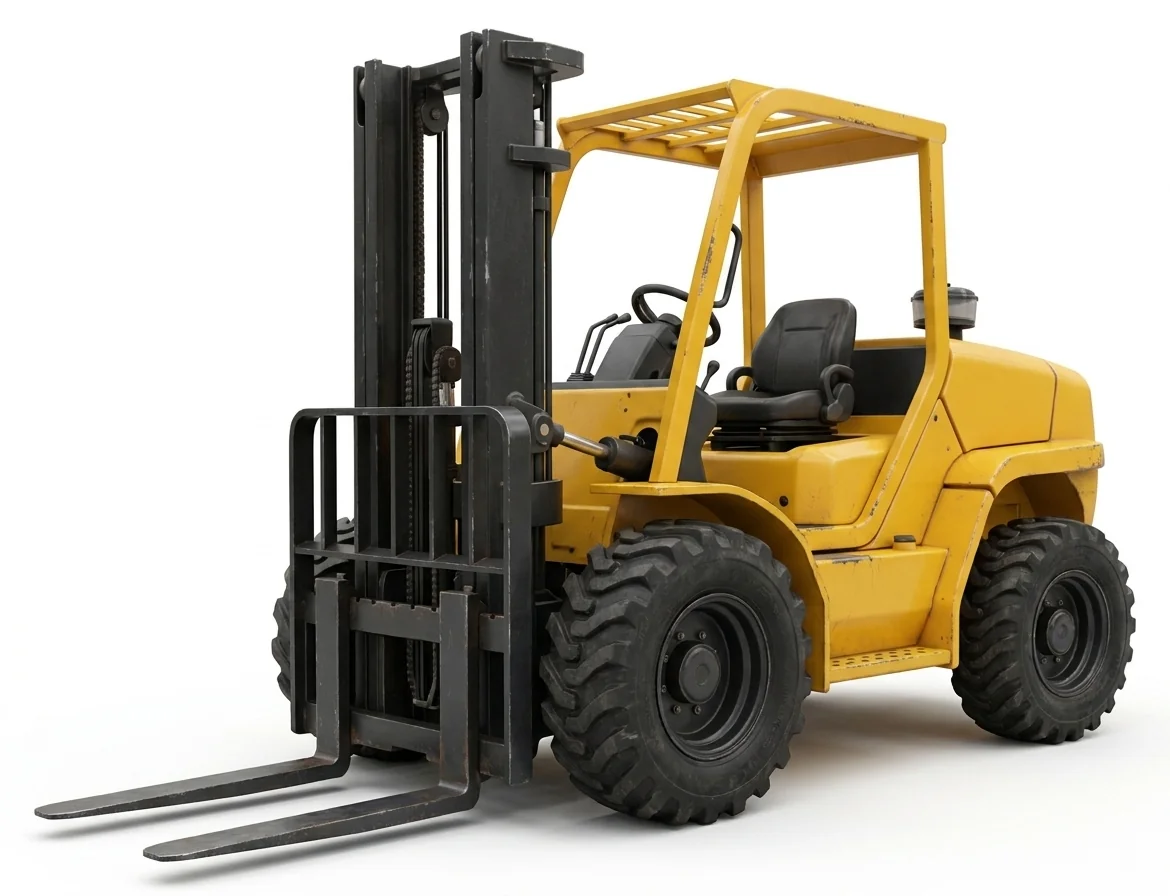
- Mixed dock and yard: pneumatic-tire units to handle thresholds, drains, and uneven spots.
- Predominantly exterior with sandy sections: rough-terrain forklifts with larger tires for better flotation.
Measure aisle widths, dock door clearances, and turning pockets at the end of rows. Confirm slab capacity for heavier units, especially near mezzanines and older floors.
Fort Myers environment factors
Salt-laden air and high humidity affect exposed metal and electrics. For longer engagements, indoor parking and scheduled clean-downs help protect connectors and chains. During storm season, many sites plan flexible staging so equipment can be relocated under cover when needed.
Load and mast considerations
Match capacity to your heaviest pallet and the highest racking beam you must service. Mast height must clear low door headers and sprinklers while still reaching the top pick. Attachments change load centers and effective capacity; include them in your planning dimensions and weights.
When a forklift isn’t the best fit
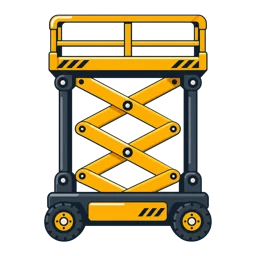
If materials must land on elevated decks beyond the reach of a mast, a telehandler may be more efficient across rough ground. See /telehandler-rental/. For personnel access to high locations, compare /aerial-lift-rental/ options.
Actual conditions, the selected unit’s instructions, and site procedures govern exterior or elevated work.