Map the load, then place the unit
Start with the total running load and surge needs. Identify whether the generator can sit below the distribution point or must back into a service bay. Long cable runs add voltage drop; short, protected runs reduce trip risk at active loading areas near local distribution buildings.
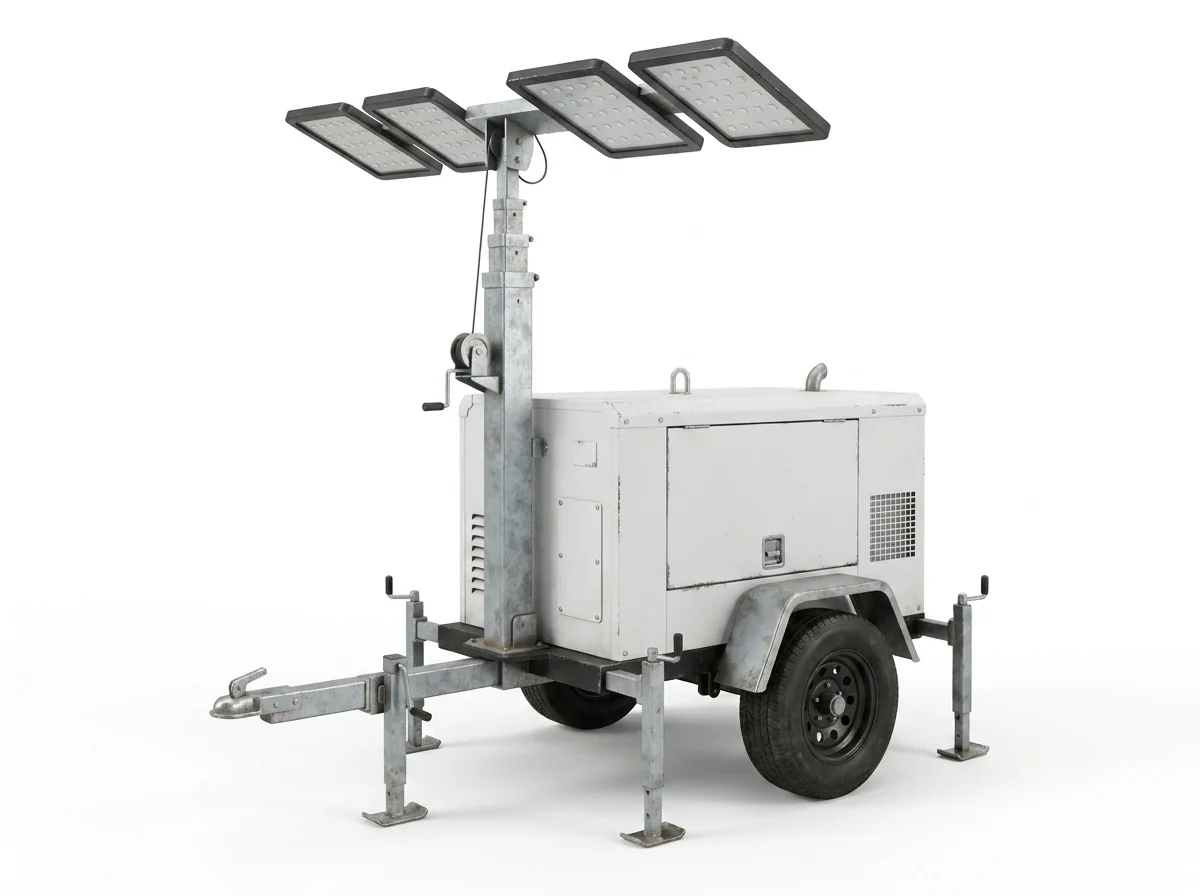
For light, define whether the mast can sit outside the work and throw light across, or whether obstructions force closer placement. In Fort Myers, humid air and frequent mist scatter light; tighter spacing between towers may be needed to avoid shadow bands on slab pours or night shifts around mechanical installs.
Surface and approach in sandy soils
Sandy and silty soils around Fort Myers can pump under wheel loads. That steers choices toward wide-stance light towers and generators with appropriate ground-bearing support. If staging on unpaved lots near industrial sites, plan for graded pads and confirm turning radii at gates. After heavy rain, ruts change approaches; a short walk-through of the route avoids placing units where they’ll settle overnight.
Weather and salt exposure
The regional climate brings fast-moving squalls and salt-laden air. Enclosures, connectors, and lighting fixtures with weather-resistant features hold up better and maintain output. During the Atlantic storm season, identify an indoor or leeward refuge and cable pathways that can be disconnected and stowed quickly if a system approaches. For post-storm inspections and temporary lighting around structural hardening work, choose towers with mast heights that clear debris piles and can rotate around blocked paths.
Light coverage and task geometry
- Can the mast sit below the work and still clear parked trailers or pipe racks?
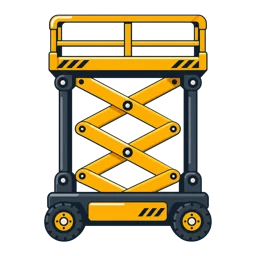
- Does glare affect operators in elevated platforms such as units from /electric-scissor-lift-rental/ or /boom-lift-rental/?
- Will shadows interfere with fasteners, markings, or finish work on elevated bays, suggesting more fixtures with lower aim angles?
Power distribution notes
Tie-in distance, cord gauge, and step-down points matter more on spread-out sites like airside perimeters or large parking expansions. Shorter runs reduce heat and nuisance trips. If multiple lifts or welders cycle on and off, note the highest combined surge.
Actual site conditions, manufacturer instructions, and site procedures govern all exterior and elevated work.
Related planning
- Elevated access options: /aerial-lift-rental/, /articulating-boom-lift-rental/, /telescopic-boom-lift-rental/
- Site products overview: /products/
- Containers for tool protection in rain: /storage-containers-rental/