Reach and positioning
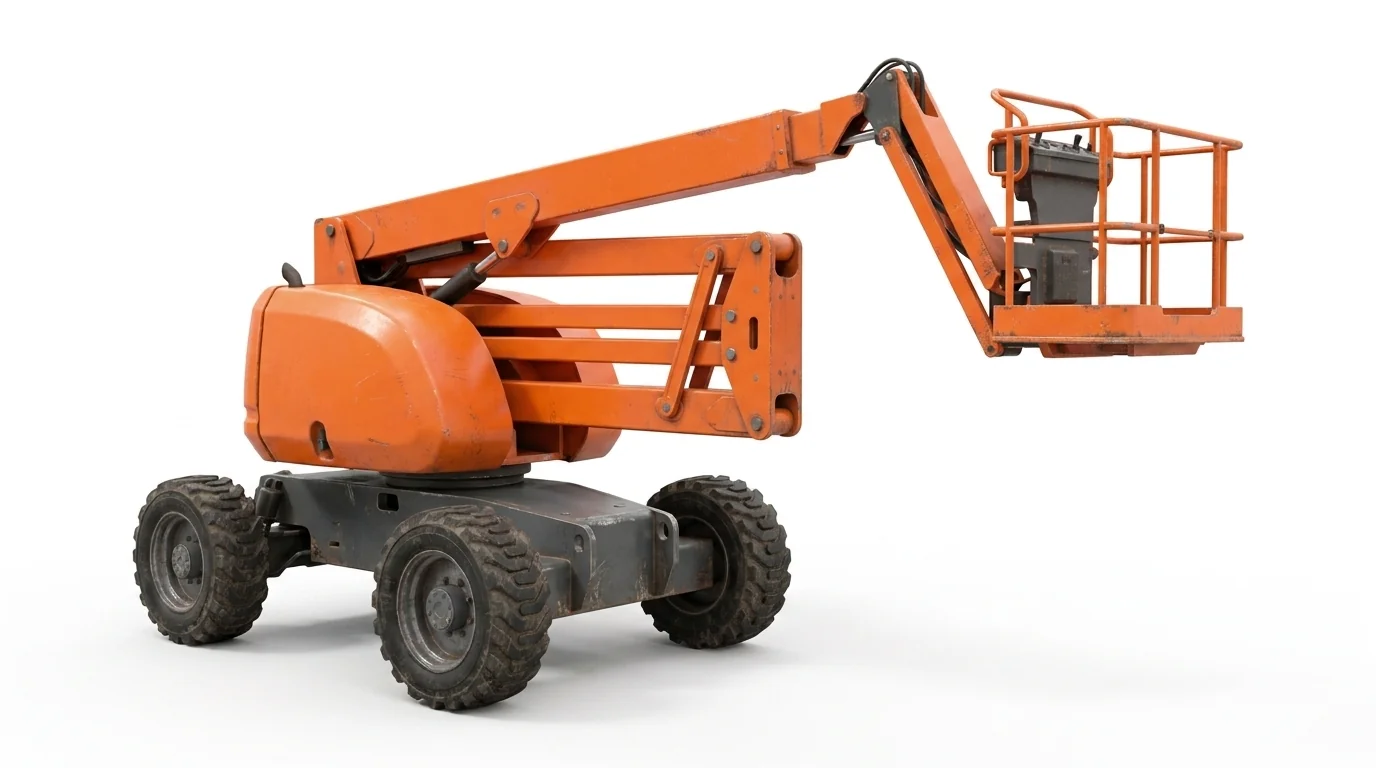
Telescopic booms excel where there’s room to back the machine away and point straight at the task—lighting, exterior steel, roof edges, and signage. Measure:
- Required working height and horizontal offset from the parking spot to the target.
- Tail swing clearance around traffic lanes or stored materials.
- Ground bearing where the wheels will sit during full extension.
If an obstacle blocks the shot, consider an articulating model at /articulating-boom-lift-rental/.
Terrain and climate in Fort Myers
Unpaved staging around industrial sites often means sand or silty fill. Rough-terrain straight booms with larger tires handle uneven grades better than slab-only units. Salt-laden humidity can affect exposed cylinders and wiring; planning covered storage on multi-week jobs reduces weathering. During the storm season, many projects sequence exterior reach tasks during stable windows to minimize downtime.
Choosing size and drive
Selection typically narrows to:
- Boom length: match working height and outreach to the farthest point you must service.
- Chassis width and weight: confirm travel paths, curb ramps, and slab capacity.
- Power source: diesel for open sites and long travel; electric or hybrid for mixed indoor/outdoor with emissions or noise limits.
Local use cases
- Long-span façade repairs on distribution buildings where equipment must remain off landscaped setbacks.
- Lighting and camera work over parking and yard areas after severe weather.
- Roof-edge access on wide single-story facilities with limited perimeter paving.
Actual conditions, the selected unit’s instructions, and site procedures govern exterior or elevated work.
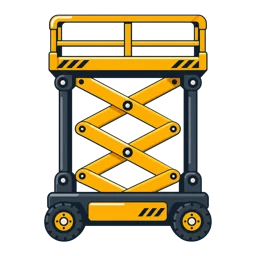
For other aerial options, see /boom-lift-rental/ and scissor categories at /electric-scissor-lift-rental/ and /rough-terrain-scissor-lift-rental/.