Load, height, and reach define the class
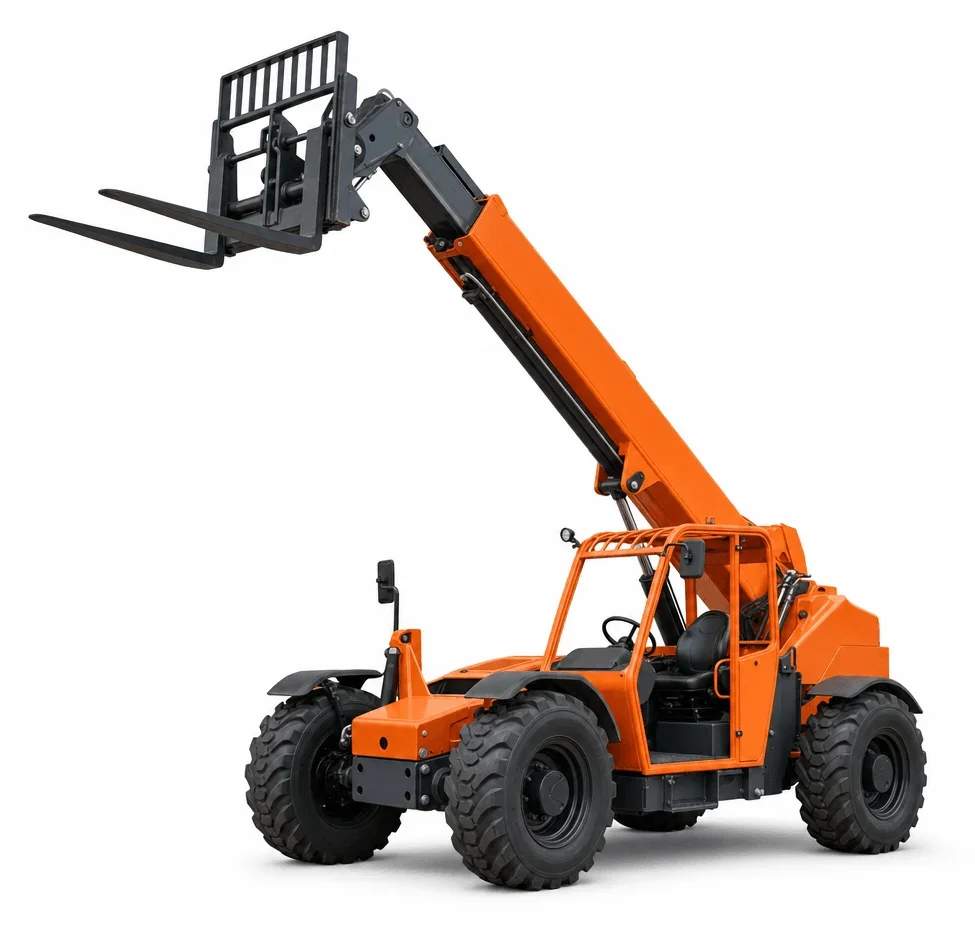
Begin with the heaviest load, the maximum lift height, and the farthest reach you will need over a parapet or wall. These three numbers typically decide the frame size and boom class. Keep in mind that rated capacity decreases as you extend; knowing where the pallet must land on the structure is as important as the weight stamped on the wrap.
Ground conditions around Fort Myers sites
Sandy and silty soils are common on unpaved lots and new pads. Wider tires and rough-terrain drivetrains better maintain traction and distribute weight while traveling with a load. On finished interiors or sensitive pavers, confirm travel routes and slab capacity in advance to avoid point-loading issues at thresholds and ramps.
Planning material flow
Telehandlers speed jobs when material flow is mapped:
- Identify delivery zones outside traffic lanes.
- Confirm turning radius and aisle widths between stockpiles and the work face.
- Check overhead clearances at doorways and under canopies.
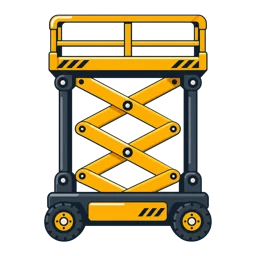
Where loads must be placed beyond a safe reach, consider staging to an aerial platform and finishing placement with a lift. Compare aerial categories at /aerial-lift-rental/.
Weather and storage
Coastal humidity and salt air can accelerate wear on exposed chains, cylinders, and electrics. Longer projects often plan indoor storage or covered parking and schedule maintenance checks around the storm season.
Actual conditions, the selected unit’s instructions, and site procedures govern exterior or elevated work.
For pallet movement inside warehouses, a forklift may be more efficient. See /forklift-rental/.