Where the box sits changes everything
Start with the pad. Sandy soil and silty subgrades can settle under a loaded container, twisting door frames. If the container must sit on unpaved ground near industrial sites, plan for level, compacted support and confirm drainage paths so doors still open after a downpour.
Access pattern and door choice
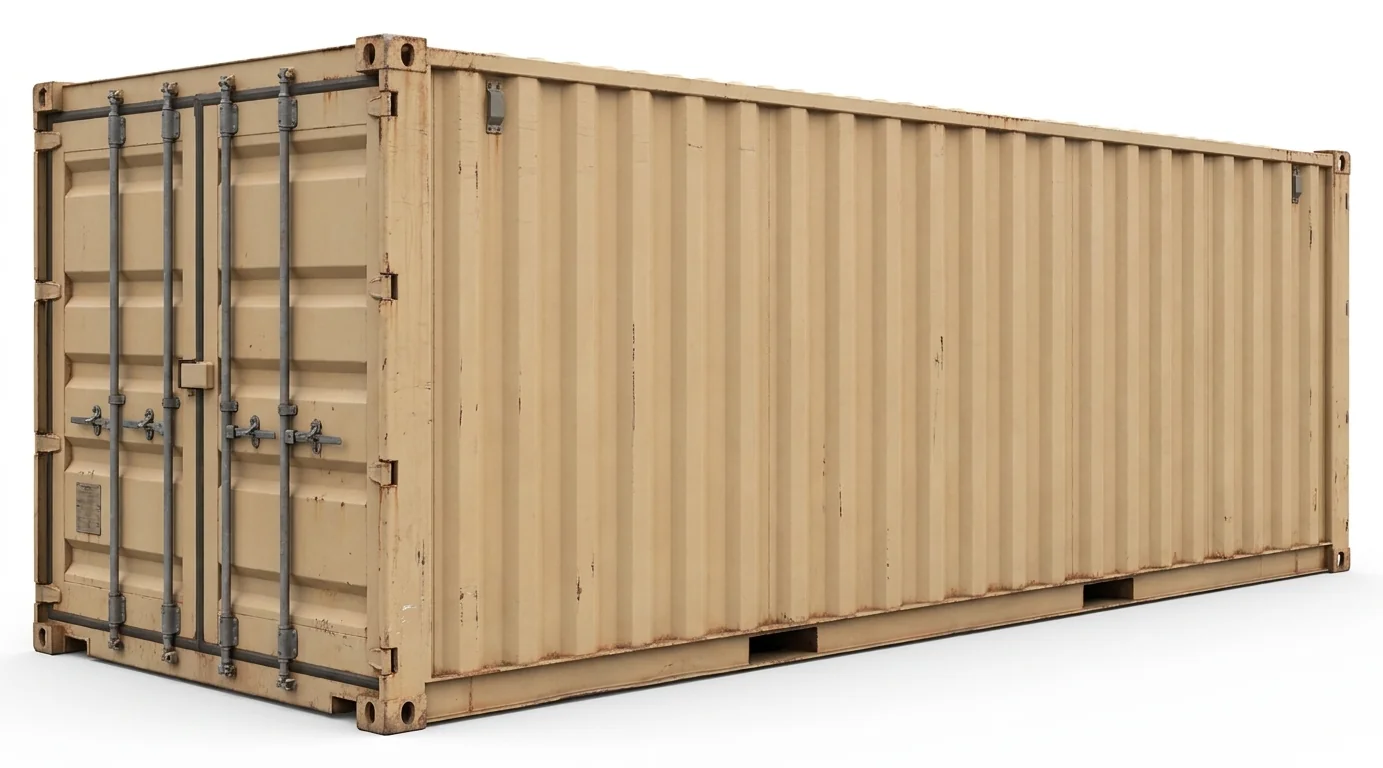
- Side-by-side inventory? Consider wider door openings for pallet access with /forklift-rental/.
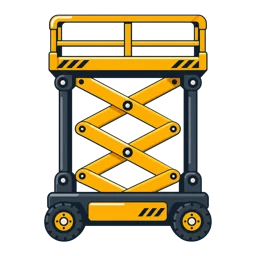
- Small tools moving to elevated work? Position near the route to /electric-scissor-lift-rental/ or /vertical-mast-lift-rental/ so loading happens under cover.
- Mixed materials for exterior hardening tasks? A container near the perimeter reduces back-and-forth during post-storm repairs and inspections.
Salt air, humidity, and interior protection
The regional climate pushes moisture into packaging and electrical components. Weather-resistant seals and ventilation reduce condensation on metal goods. Shelving and dunnage that hold items off the floor help when crews return from rain with wet pallets.
Size and placement around traffic
Pick the smallest footprint that still allows straight-in entries by forklifts and telehandlers from /telehandler-rental/. Corners and dead ends create pinch points for elevated equipment traveling to and from staging areas. Mark a clear apron so light towers from /generators-light-towers-rental/ can illuminate loading safely at night.
Security and storm-season planning
Containers often double as anchor points for site organization during the Atlantic season. Choose locations that allow quick closure, simple cable routes, and interior tie-down options for loose tools. For recovery work, containers staged by building entries speed distribution of materials during roof, facade, and MEP checks.
Actual conditions, manufacturer instructions, and site procedures govern exterior and elevated tasks near containers.
Related planning
- Lift equipment overview: /products/
- Perimeter control: /temporary-fencing-barricades-rental/