Surface and base selection in sandy soils
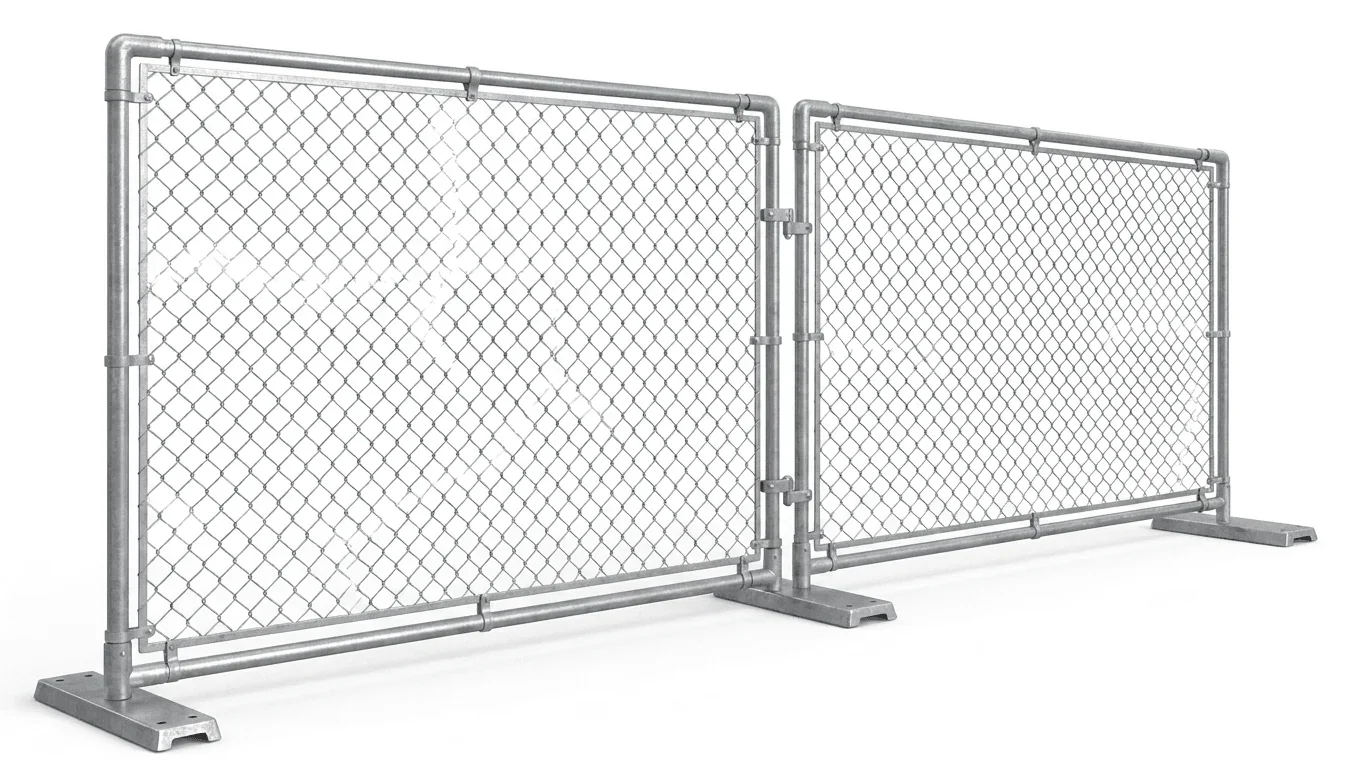
On unpaved ground, lighter bases can settle or tilt as sands shift after rain. Wider, heavier footing distributes load better and keeps panels aligned along haul routes to loading docks and maintenance bays. Where forklifts or telehandlers turn, leave offsets so equipment doesn’t nudge panels out of plumb.
Wind exposure and storm-season planning
Open coastal corridors and afternoon storms in Fort Myers change how freestanding barriers behave. Choose layouts that break up long, sail-like runs and allow quick reconfiguration before severe weather. For recovery and inspection work after a system passes, barricades that pivot or stack quickly help reopen access paths to elevated repairs.
Access control around lift traffic
- Separate pedestrian lanes from routes used by /rough-terrain-scissor-lift-rental/ and /boom-lift-rental/.
- Use barricades for short-term task zones inside buildings; reserve perimeter fencing for longer durations.
- Keep night lighting in mind. Placement near units from /generators-light-towers-rental/ reduces blind spots at gate checks and material drops.
Interfaces with storage and staging
Fencing lines should account for container doors from /storage-containers-rental/ swinging open and for pallet set-down areas. Where soils are soft, set panels to allow drainage so water doesn’t pond at entries.
Actual conditions, manufacturer instructions, and site procedures govern all exterior work with temporary perimeters.
Related planning
- Equipment overview: /products/
- Elevated access options: /aerial-lift-rental/